
NDIS housing that’s safe, comfortable and supportive
May 1, 2026
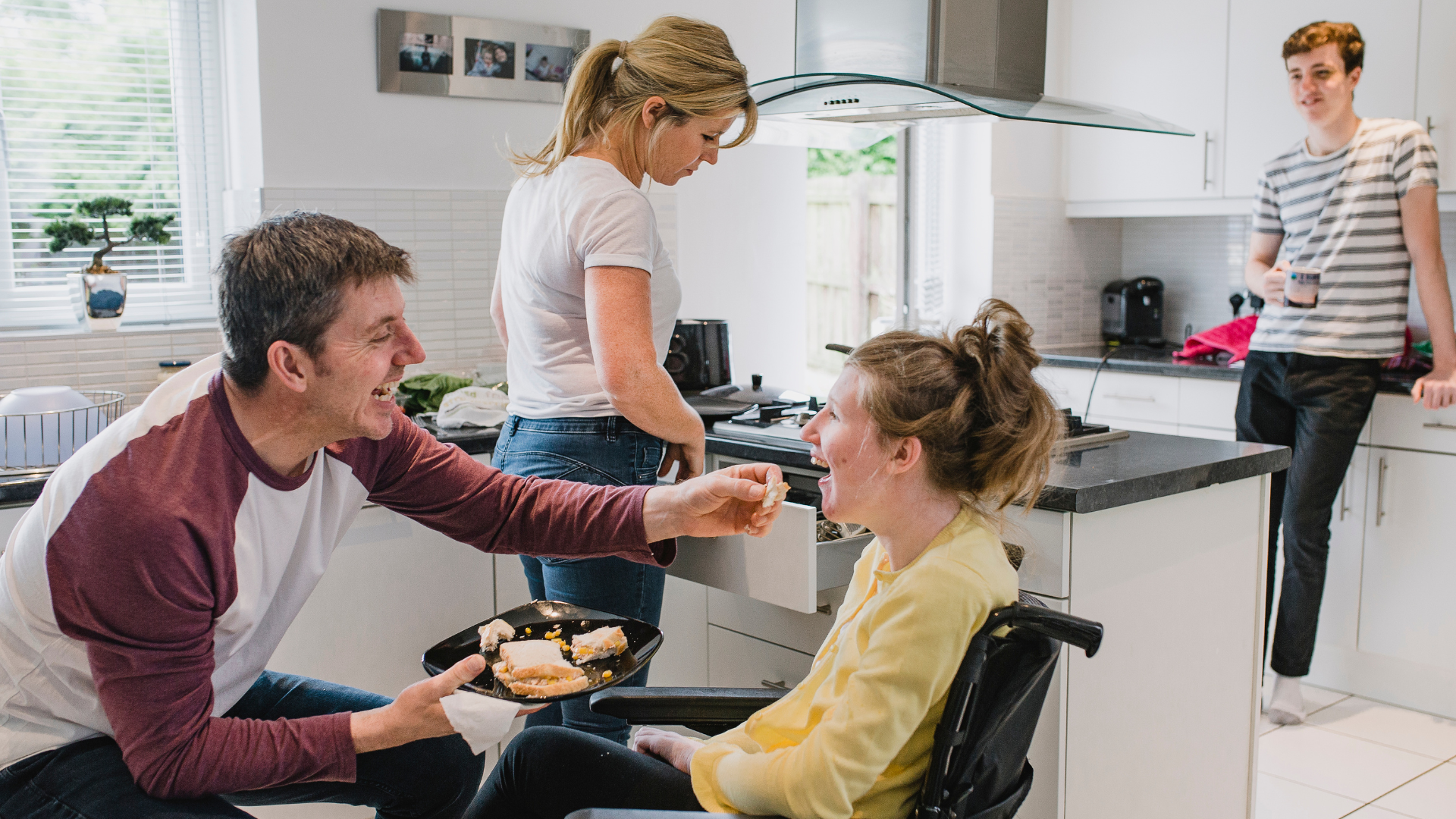
Creating a home that truly feels safe, comfortable, and supportive is essential, especially when it comes to disability housing. For people living with disabilities, a home is far more than a physical structure. It’s where routines are built, independence is nurtured, and a sense of stability is formed. When done right, the right environment can have a profound impact on your confidence, wellbeing, and overall quality of life.
What does “safe disability housing” really mean?
Safety is often misunderstood as simply meeting minimum compliance standards. In reality, safe disability housing is about creating an environment that actively supports the person living in it, reducing risks, enabling independence, and providing reassurance to both you and your loved ones.
This starts with thoughtful design. Features such as step-free access, wide doorways, reinforced handrails, and non-slip surfaces are not just “nice to have”, they are essential for reducing hazards and enabling freedom of movement. For individuals with higher support needs, additional considerations like assistive technology, emergency call systems, and backup power can be critical.
But safety isn’t just physical. It also includes emotional and psychological safety. Feeling secure in your home means trusting the people who support you, knowing your needs will be respected, and having control over your environment. Consistent, well-trained staff who understand individual preferences and communication styles play a major role in creating this sense of safety.
The role of providers in NDIS accommodation safety
When we talk about NDIS accommodation safety, we’re really talking about the standards and practices that ensure you are living in an environment that is both secure and suitable for your needs.
This includes:
- Ongoing compliance with NDIS Quality and Safeguards standards
- Clear processes for incident management and risk mitigation
- Transparent communication with yourself and your family
However, true safety goes beyond ticking boxes. It’s about how these standards are applied in real life. Are staff responsive? Is the environment regularly maintained? Are participants involved in decisions about their living arrangements?
The best providers understand that safety is not static, it evolves with you. As needs change, so should the supports and the environment.
Turning a house into a home
While safety lays the foundation, comfort is what transforms a space into a home. In the context of disability housing, comfort is deeply personal. It’s about creating an environment where you can feel relaxed, respected, and able to be yourself.
Comfort can come from simple but meaningful elements:
- Personalising rooms with familiar belongings, colours, and décor
- Having access to natural light and fresh air
- Maintaining a comfortable temperature year-round
- Designing quiet spaces for downtime and sensory regulation
For many individuals, comfort also means predictability. Being able to follow daily routines, prepare meals, or enjoy hobbies without unnecessary barriers contributes significantly to a sense of ease and stability.
Importantly, comfort is closely linked to dignity. Having control over your own space; when to wake up, what to eat, how to spend your time – plays a key role in building confidence and independence.
Support that empowers, not restricts
A truly supportive home is one where assistance is tailored, flexible, and respectful. Under the NDIS, supports such as Supported Independent Living (SIL), Short-Term Respite (formerly Short-Term Accommodation), and Individualised Living Options (ILO) are designed to meet varying care needs, but the quality of that support is what makes the difference.
Good support should feel empowering, not intrusive. This means:
- Encouraging skill development and independence
- Respecting personal choices and cultural preferences
- Providing assistance only where needed, not taking over
- Building genuine, respectful relationships between staff and yourself
The right support team understands that their role is to enable, not control. They work alongside you, adapting to your goals and helping you build confidence in everyday life.
The importance of community and connection
A safe and comfortable home doesn’t exist in isolation. Connection to the wider community is a vital part of feeling supported. Proximity to local amenities, access to transport, and opportunities for social engagement all contribute to a better living experience.
Whether it’s attending community programs, visiting local cafés, or participating in group activities, these interactions help reduce isolation and promote a sense of belonging. For many people, this is just as important as the physical features of the home itself.
Bringing it all together
When safety, comfort, and support are aligned, the result is a home that enables people to thrive, not just exist. It’s a place where individuals feel secure, valued, and in control of their lives.
Finding the right option, however, can often feel overwhelming. With so many providers, housing types, and support models available, it can be difficult to know where to start or who to trust.
That’s where providers like Aspire Hub play an important role. As a registered NDIS provider, we are proud to offer safe disability accommodation and tailored supports designed to meet both safety standards and individual preferences.
Instead of navigating the system alone, participants and families can explore options with confidence, knowing that NDIS accommodation safety is prioritised at every step.
Find a safe and comfortable home with Aspire Hub
A home should never be just a place to stay, it should be a place where you feel safe, comfortable, and supported to live the life you choose.
In the world of disability housing, this means going beyond minimum requirements and focusing on what truly matters: environments that are designed with people at the centre. When safety is built in, comfort is prioritised, and support is delivered with respect, a house becomes something much more powerful – a home where independence grows and quality of life improves every day.
Explore disability accommodation and support with Aspire Hub and take the next step toward finding a home that truly fits your needs.
Want to learn more about our team or the services we offer?
Complete the form below and we’ll be in touch with you or call us at 07 3074 9440.