
Understanding Your Rights as an NDIS Participant in Supported Housing
February 19, 2026
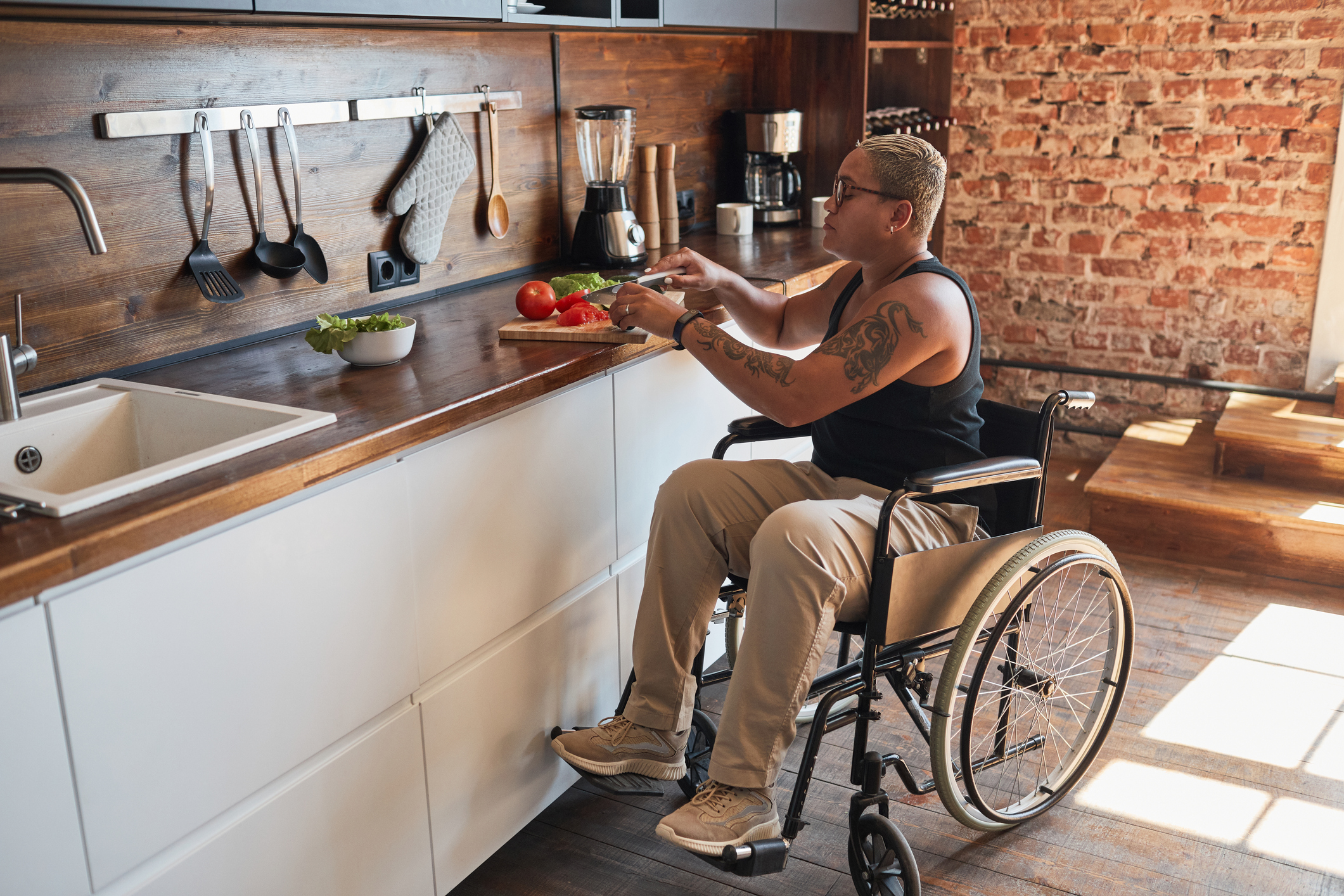
If you or a loved one is moving into supported housing through the NDIS, it can feel both exciting and overwhelming. You may wonder: what rights do I have that I might not even think about? How do I make sure my daily life, privacy, and personal goals are respected? And what steps can I take to protect these rights while getting the most from my NDIS support?
This guide is here to provide clarity. It focuses on the rights of NDIS participants in supported housing, highlights the areas participants often overlook, and gives practical advice for navigating potential challenges. With the right knowledge, you and your family can feel confident that your voice matters and your needs are prioritised.
Understanding your core rights
You have rights to protect safety, dignity, and independence. While these may sound straightforward on paper, the real-life implications are important. For instance, knowing you can raise a complaint without fear is not just legal wording. It ensures you can address unsafe or disrespectful situations promptly.
Key rights you should be aware of include:
- Living in a safe and accessible home: This is about more than ramps and handrails. It includes having environments that are predictable, comfortable, and designed for your independence.
- Being treated with respect: Staff should understand and support your routines, preferences, and goals. Your individuality matters.
- Participating in decisions about your supports: From daily routines to personal development goals, your input should shape your care.
- Raising concerns without fear: You have a right to report issues about safety, staff conduct, or housing conditions without worrying about repercussions.
- Accessing services aligned with your NDIS plan: Your supports should empower you to achieve goals, not restrict your independence.
Understanding these rights helps address the anxiety you may feel when navigating unfamiliar legal or service systems. Knowing that these protections exist provides reassurance that you are not alone in advocating for yourself.
Rights that participants often overlook
It is easy to focus on the visible aspects of housing, like a safe building, and miss other rights that directly impact daily comfort and independence. Many participants and families only realise these rights when issues arise. These include:
- Privacy and personal space: Even in shared living, you are entitled to personal areas, private conversations, and respect for your belongings. This right often becomes crucial in communal living situations.
- Access to clear information: Legal and service information can be intimidating. You have the right to plain-language explanations about your plan, funding, and support arrangements.
- Consistency of staff: Frequent staff changes can cause stress and affect routines. You have the right to request consistent support workers.
- Participation in communal decisions: Shared spaces can create conflicts if participants’ input is ignored. You have the right to have your voice considered in communal rules or schedules.
Recognising these often-overlooked rights can reduce fear and uncertainty, giving you the confidence to navigate unfamiliar legal or administrative frameworks. Aspire Hub can support you in understanding and exercising these rights Aspire Hub locations.
How NDIS safeguards participant rights
The NDIS Quality and Safeguards Commission oversees providers to ensure your rights are consistently protected. This includes auditing services, training staff, managing complaints, and monitoring safety.
Supported housing providers like Aspire Hub are responsible for implementing these protections. They ensure that supports respect your preferences, routines, and personal goals. Knowing how NDIS protects participant rights in housing allows you and your family to confidently navigate services and raise concerns when needed. Learn more about supported independent living NDIS.
Practical ways to protect your rights
Knowing your rights is important but applying them daily can feel daunting. Here are practical ways to protect your independence and wellbeing:
- Understand your NDIS plan clearly: Focus on supports that relate to housing, daily routines, and skill development. If legal or funding terms feel confusing, ask for a plain-language explanation.
- Communicate your preferences and goals: Share your needs around meals, personal care, social engagement, and routines. Documenting conversations helps avoid misunderstandings.
- Request schedule adjustments when necessary: Life changes, and so should your support plan. Providers are obliged to respond to reasonable requests.
- Set clear boundaries: Decide what privacy and personal space mean for you. Staff must respect these boundaries, and knowing this protects your comfort and dignity.
- Proactively address concerns: If issues arise, contact your provider promptly. You also have the right to escalate concerns to the NDIS Commission without fear of reprisal.
- Seek advocacy support when needed: Independent advocates can guide you through complex situations and ensure your rights are respected.
Applying these steps daily can reduce fear and uncertainty while reinforcing independence.
Real-life challenges and how to anticipate them
Even with protections, you can face unexpected challenges that create doubt or discomfort. Understanding these helps you act early:
- Staff unfamiliarity with routines: New support workers may not know your habits. Regularly sharing and clarifying your goals prevents stress and frustration.
- Support schedules not matching daily life: If assistance comes at inconvenient times, you can request adjustments to align with personal goals.
- Shared living dynamics: Noise, habits, and differing routines can create tension. Knowing your right to participate in communal decisions ensures your voice is heard.
- Access to social or community activities: Limited transport or staff availability can restrict participation. Your provider should help plan accessible options to maintain engagement.
These examples show why understanding rights is solving real-life problems before they become overwhelming.
How supported housing helps enforce your rights
Supported housing services are structured to protect your rights and provide practical solutions to everyday challenges:
- Staff are trained to respect dignity, foster independence, and support personal goals
- Homes are designed to be safe and accessible, reducing risk of injury or barriers
- Routines and supports are customised to your NDIS plan, goals, and lifestyle preferences
- Feedback and complaints are taken seriously and acted upon promptly
- Skills development is embedded into daily life, helping you build independence
This structure ensures that your rights are not only recognised but actively supported in daily living.
Feeling confident and supported
NDIS supported housing should feel empowering, safe, and personal. Knowing your rights, anticipating challenges, and taking practical steps gives participants and families confidence that their voice is heard.
With the right guidance, knowledge, and support provider, you can embrace independence, participate in your community, and enjoy a home that respects your dignity. Discover how Aspire Hub can support your NDIS journey here.
Want to learn more about our team or the services we offer?
Complete the form below and we’ll be in touch with you or call us at 07 3074 9440.