
How to Make Your NDIS Accommodation Feel Like Home
February 2, 2026
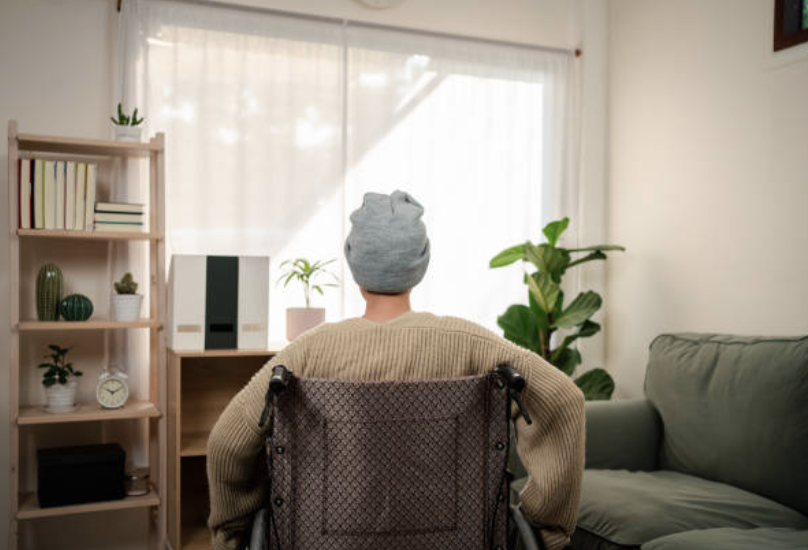
Choosing NDIS accommodation is rarely a simple decision. For many participants and families, it comes with uncertainty, hesitation, and deeply personal worries. Will it feel safe? Will independence be respected? Will it feel like a home or like a service?
These concerns are normal. Moving into any new living environment brings emotional weight, especially when support needs, routines, and identity are involved. At Aspire Hub, we understand that making NDIS accommodation feel like home is about supporting people through each stage of change, from uncertainty to comfort, confidence, and belonging.
Whether you are exploring short term respite, medium term NDIS accommodation, supported independent living, or specialist disability accommodation, the journey to feeling at home happens over time and with the right support in place.
Why NDIS accommodation can feel intimidating at first
Before a move even happens, many participants and families experience doubts. Participants may worry about losing control over their daily life or feeling restricted in an unfamiliar environment. Families often worry about safety, wellbeing, and whether their loved one will feel comfortable and respected.
Past experiences can also shape expectations. Some people associate supported housing with clinical settings or rigid routines, which can create fear or resistance. Hesitation does not mean someone is unwilling to try NDIS accommodation. It often means they care deeply about their independence, dignity, and quality of life.
Recognising these emotions is the first step in making any accommodation feel like home.
Understanding NDIS acommodation as a pathway, not a single decision
One of the most common misconceptions is that choosing NDIS accommodation means making a permanent, inflexible commitment. In reality, NDIS housing offers a range of options designed to meet people where they are.
Short term respite provides a low pressure way to experience a new environment, support staff, and routines without long term obligation. It can be particularly helpful for participants who feel unsure or for families who want reassurance before taking the next step.
Medium term NDIS accommodation supports people during periods of transition. This might include waiting for long term housing, recovering from hospital stays, or adjusting after changes in personal circumstances. It offers stability while allowing time to build confidence.
Supported independent living is suited to participants who want to live more independently while receiving tailored daily support. It prioritises choice, routine, and autonomy.
Specialist disability accommodation is designed for participants with higher physical or complex support needs, where the environment plays a key role in safety and accessibility. Importantly, SDA does not mean giving up personal comfort or individuality.
Seeing accommodation as a pathway rather than a final destination can reduce pressure and make the idea of moving feel more manageable.
What changes once you actually move in
Many worries about NDIS accommodation exist before the move happens. Once participants begin living in supported accommodation, their experience often looks very different from what they imagined.
In the early days, support is focused on helping participants settle in without pressure. There is time to learn how the home works, get to know support staff, and adjust routines gradually. Participants are not expected to immediately fit into a fixed way of living.
As familiarity grows, confidence often increases. Participants begin to understand what choices they have, how support can be adjusted, and how their preferences are respected. What once felt unfamiliar becomes predictable and comfortable.
Over time, participants often find that they have more control than they expected. Daily routines feel natural, personal boundaries are respected, and the home begins to reflect their identity rather than their support needs.
This transition from uncertainty to confidence is a key part of what makes NDIS accommodation feel like home.
Personalising your NDIS living space
One of the biggest worries participants have is feeling like the space is not theirs. The good news is you can make it personal, even in supported independent living NDIS or specialist disability accommodation settings.
Tips to personalise and reduce worries
- Things that make you feel at home – Bringing your favourite blankets, photos, or mementos from home helps make even short-term stays feel comforting and personal.
- Make it your own – Little details, like favourite photos or bright cushions, make a room feel inviting and homely.
- Adjustments to suit your routine – Simple adjustments, like reorganising shelves or adding useful tools, can support your daily routine while keeping your space personal and comfortable.
- Create a calm space – Adjusting lighting, keeping noise low, or adding calming touches can help make your space feel relaxing and comfortable.
Personalisation is not just about looks. It is about feeling confident, comfortable, and independent in your space.
Supporting families through the transition
Families often carry their own concerns when a loved one moves into NDIS accommodation. Feelings of guilt, fear, or uncertainty are common, particularly when stepping back from hands on care.
It is important to recognise that choosing supported accommodation is not a withdrawal of care. It is a decision to bring in additional support so participants can live more independently and confidently.
Open communication, involvement in planning, and reassurance that support can adapt over time helps families feel more comfortable and confident in the decision.
Feeling ready to try supported accommodation
For participants who feel unsure, starting small can make all the difference. Short term respite offers a gentle introduction without pressure. Visiting the accommodation, meeting support staff, and having conversations about preferences can help reduce fear.
Treating NDIS accommodation as an experience rather than a permanent label encourages openness and confidence. When participants feel heard and involved, hesitation often gives way to curiosity and trust.
Making your NDIS accommodation a true home
NDIS accommodation is not just about housing. It is about creating a space where participants feel safe, respected, and comfortable living their lives.
At Aspire Hub, we focus on supporting individuality, independence, and emotional wellbeing. Our goal is to help every participant feel not just accommodated, but truly at home.
If you or your family are exploring NDIS accommodation and would like to learn more, contact Aspire Hub today to discuss your options and take the next step with confidence.
FAQ: Common questions about NDIS accommodation
Q1: How can I make my NDIS accommodation feel like home?
A: Personalising your space is key. Bring meaningful items such as photos, bedding, or artwork. Adjust lighting and organise your belongings to support your routines. Choosing decorations, colours, and furniture that reflect your personality helps your home feel welcoming and comfortable.
Q2: What is the difference between SIL and SDA?
A: Supported Independent Living (SIL) is designed for participants who want independence with flexible daily support. Specialist Disability Accommodation (SDA) provides more structured housing for participants with higher support or accessibility needs. Both options aim to balance safety, comfort, and independence.
Q3: How can I feel safe in my new NDIS home?
A: Safety is more than physical features. It includes accessibility, clear pathways, and easy-to-use facilities, as well as staff support that respects your independence. Early orientation and communication about routines help reduce anxiety and build confidence.
Q4: How long does it take to feel at home in NDIS accommodation?
A: Feeling at home develops over time. The first days focus on learning routines and familiarising with the environment. Over weeks and months, confidence grows, personalisation becomes natural, and the space reflects your personality and lifestyle.
Want to learn more about our team or the services we offer?
Complete the form below and we’ll be in touch with you or call us at 07 3074 9440.